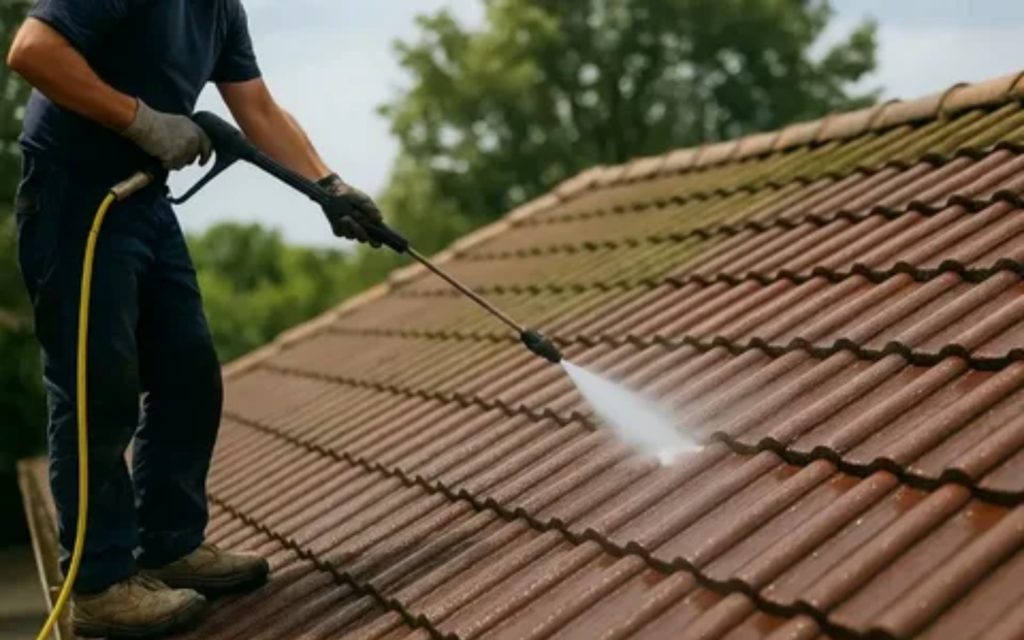
Most homes in the Bay Area carry a roof that matters more than people first think. Standing between indoors and weather, it blocks out fog rolling in off the coast along with wet breezes soaked in sea salts. Slowly, even without breaking down, roofing materials start revealing years of exposure often not due to damage but because nature begins taking hold. Streaks of black appear. Moss creeps across tile edges where moisture rests too long. In corners and shaded lanes above walls, little clusters of lichen settle like quiet tenants. These marks pop up often on rooftops everywhere from hillsides to valley streets in Northern California. Most people grab a Pressure Washer when they spot those patches showing up. Yet around here, where roofs face unique weather challenges, picking how to clean can decide whether shingles hang on for twenty years or start failing early. One choice keeps things solid. The other invites leaks before their time.
Most folks overlook what happens when soap meets spray. Cleaning a roof is not only about water speed; it is whether chemicals do the work instead of brute force. Each house wears its own kind of hat, so to speak shingles react one way, tiles another. A smart move means knowing which method respects your roof skin. Skip this step, and you might trade shine for damage without even noticing.
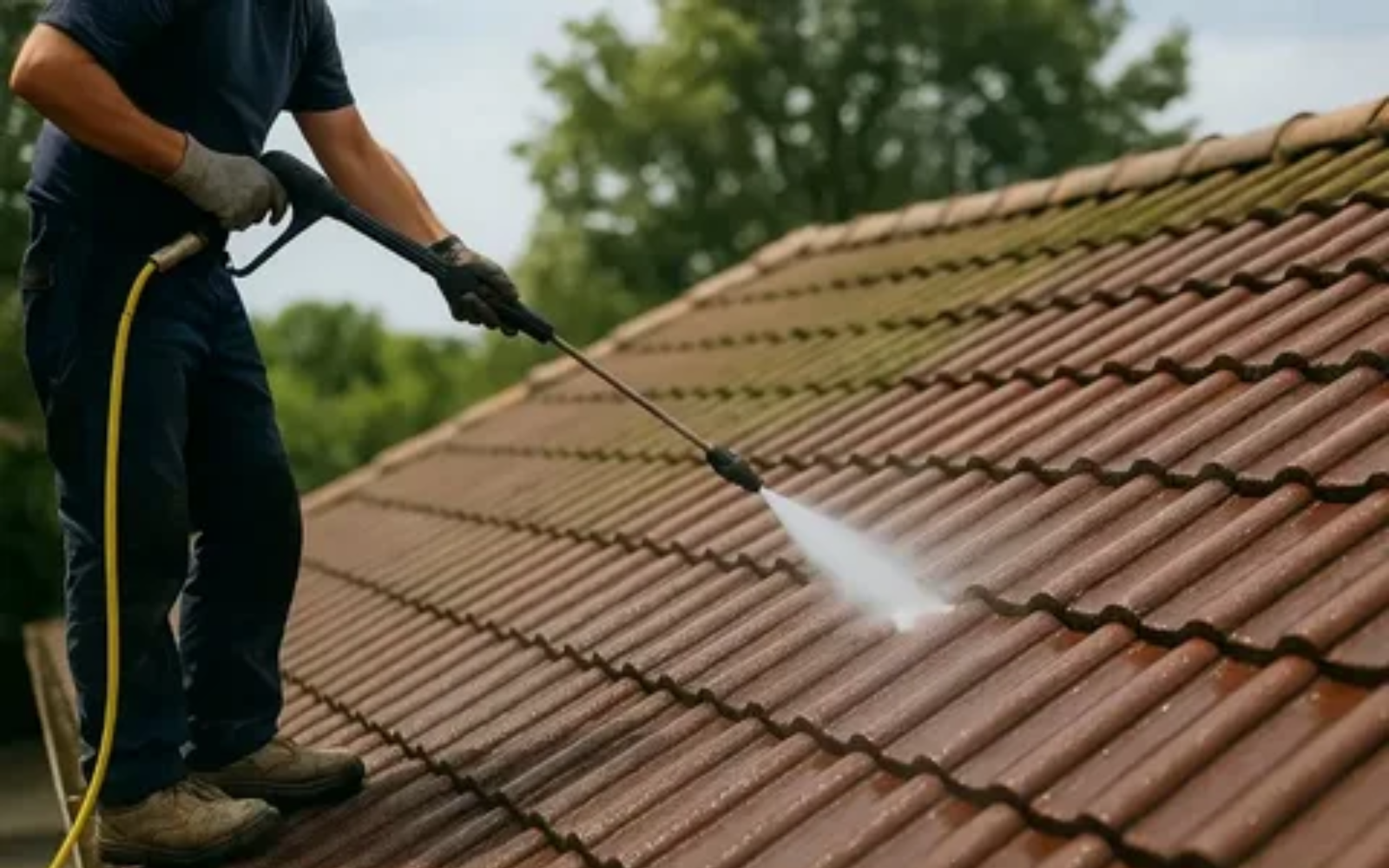
The Pressure Washing Method Using Physics
Water blasting uses fast moving streams to knock gunk loose from solid areas. Concrete paths respond well to this method. Roofs take a different kind of hit, though raw power does the job there.
The Risks to Roofing Materials
Roofs around here usually wear asphalt, clay, or concrete pieces like armor. Sitting on top of the asphalt ones is a coat of tiny baked beads that bounce sunlight back into space. If strong jets of water hit them, those little shields wash right off. Without their cover, the shingle skin bakes under UV light until it stiffens and splits open. Rain finds its way through soon after.
Just like before, clay and concrete tiles last a long time yet they still break under certain conditions. A blast of high pressure water might split tiles apart, knock loose the material bonding them down, or even drive moisture below the roof surface. When liquid slips behind those coverings, decay begins on the wooden base layer, weakens protective sheets underneath, and creates hidden leaks inside walls or ceilings.
The Soft Wash Method Using Chemistry
Water pressure stays gentle here. A mix of safe chemicals breaks down grime without harsh scrubbing. This method tackles unseen threats like mold deep within surfaces. Cleaning happens slow, but it goes all the way through. The liquids used vanish naturally over time. Force takes a back seat to smart chemistry instead.
Most times, safety matters most on roofs this way keeps the tiny ceramic bits right where they belong. Water cannot sneak under the surface either, since nothing pushes it below. That detail helps older clay pieces last longer, just as much as it supports fragile wood shakes. Roofing stays strong when handled like this, without disturbing what already works.
The Bay Area Climate Context
Out here, rooftops face a mix unlike anywhere else. Thanks to shifting damp air followed by quick sun spells, tiny weather zones form right above your shingles. A type of algae Gloeocapsa magma loves these moist pockets common across neighborhoods. Those dark lines you see? That is feeding where humidity lingers.
Most times, moss is not merely sitting there looking bad. It soaks up water like an old rag left out in the rain. That wetness sticks around, chewing away at shingles bit by bit. Soft washing does not just wipe things clean it wipes them out. Instead of blasting gunk aside, it stops living stuff cold.
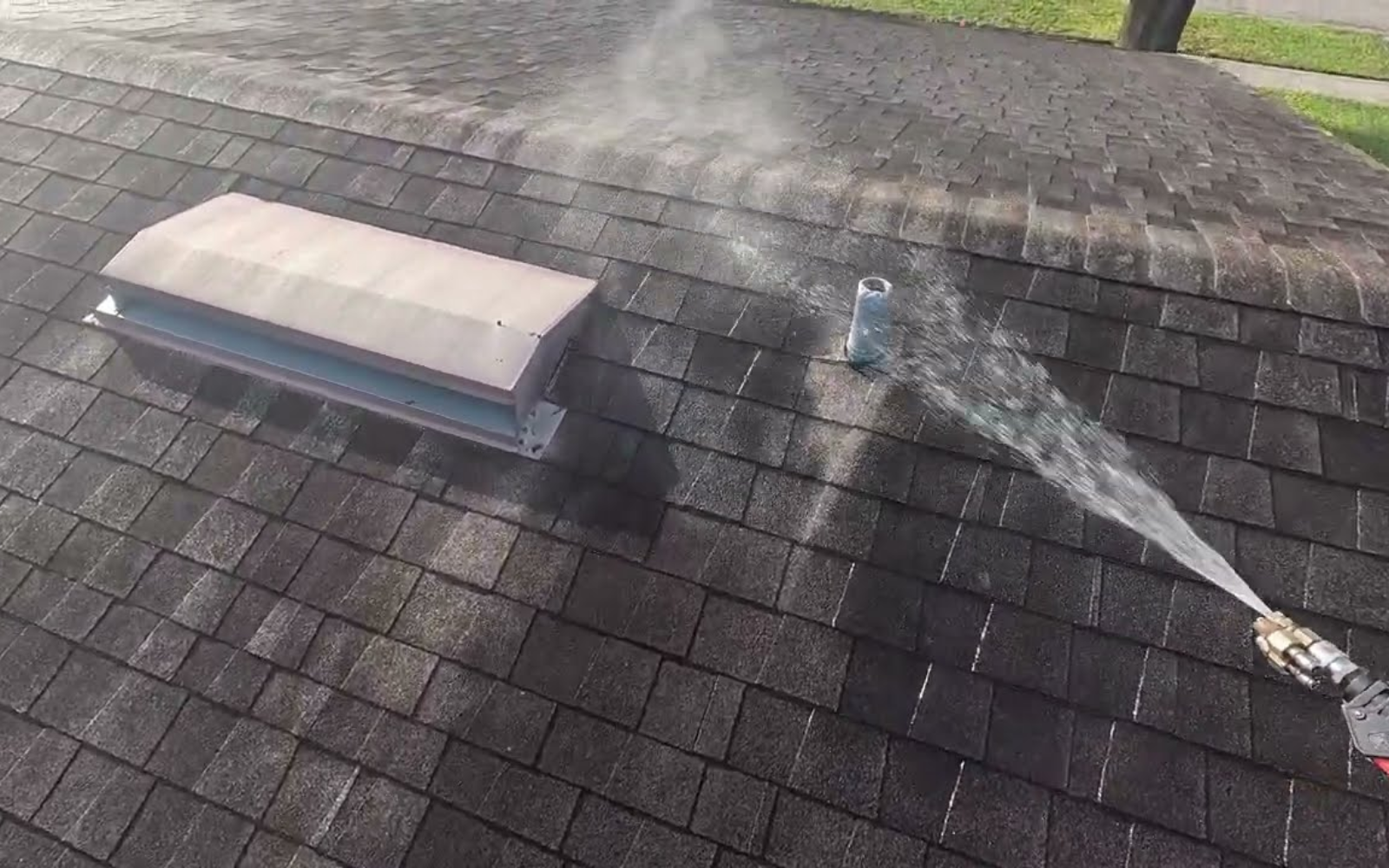
Comparing the Two A Safety Checklist
When deciding how to approach your Roof Maintenance, consider these key factors:
- Structural Integrity: Water blasting can harm more than it helps. It challenges weak spots near roof fixtures like pipes and glass openings. Gentle rinsing skips the force altogether, reaching dirt others miss while leaving delicate areas untouched.
- Environmental Impact: Water blasting tends to dump huge amounts into gutters. Instead of flooding surfaces, low pressure washing applies targeted solutions. When handled right, those cleaners get neutralized before soaking into soil or flowing away.
- Longevity of Results: Most folks see a spotless roof after pressure washing, yet hidden spores linger deep inside the surface. When moisture returns, so does the algae. Instead of blasting away dirt, gentle rinsing kills microbes on contact.
When Experts Become Necessary
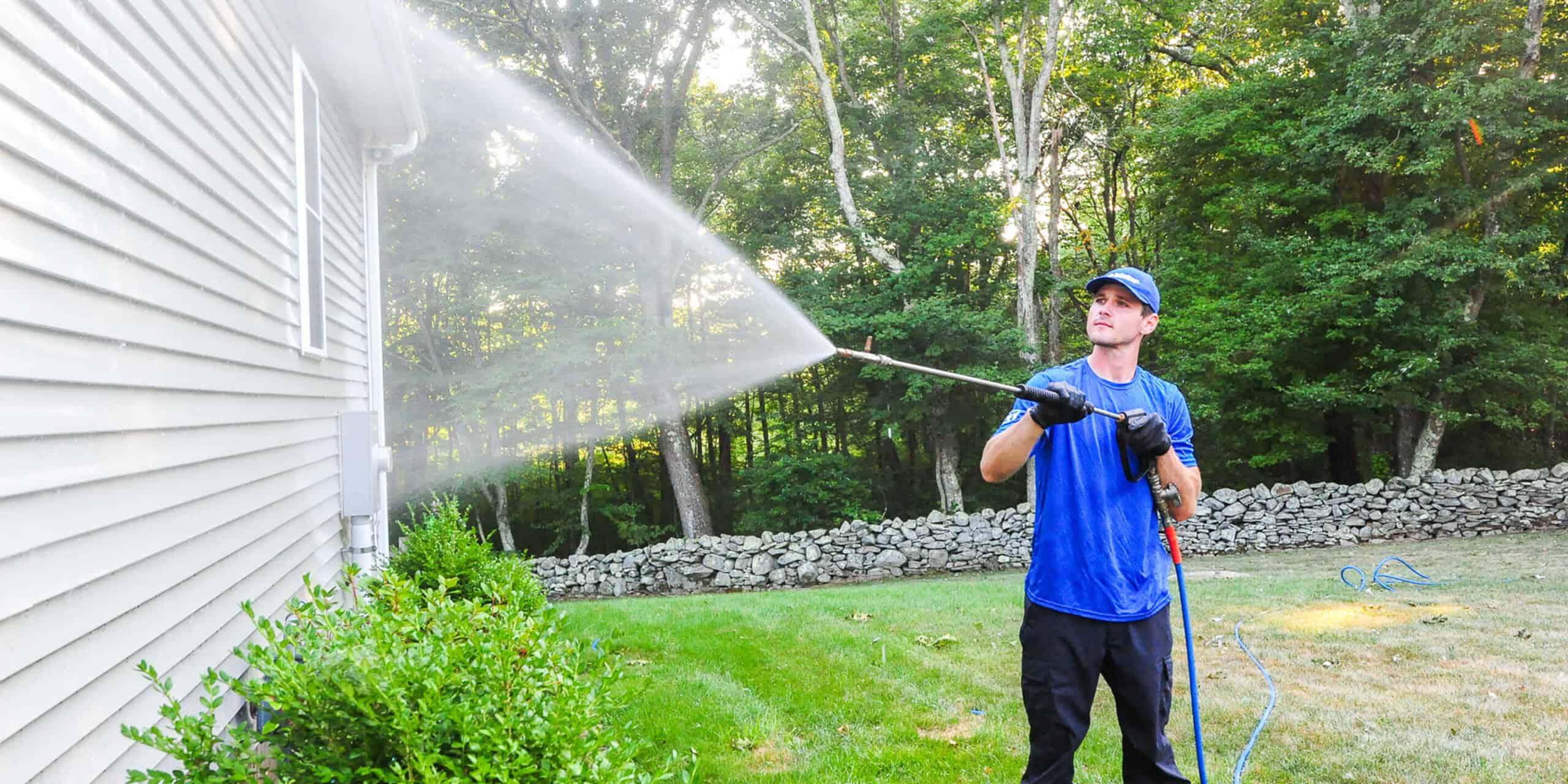
Water pressure changes depending on the surface, so specialists tweak it along with cleaning solutions. Concrete walks take heavy hitting, yet vinyl siding would tear. Hidden issues like broken sealant show up during expert cleanings, which are things most overlook when washing walls. Safety matters too, especially on multi story homes where ladders and slippery decks increase risk. Mistakes fade into background noise when someone trained handles the job. Long term damage slips away quietly thanks to early precision.
Final Thoughts
The top of your house shows more than any other part. Around here, cleaning it cannot be skipped, yet how you do it changes everything. Today a better way leans on precision instead of force gentle solutions applied slowly to make roofs last longer. Most people never think about how cleaning could hurt their roof yet pressure methods often do. Soft washing sidesteps those issues entirely. Longevity shows up quietly: streak free surfaces resist mold far beyond typical washes. Imagine glancing skyward and spotting not dirt but clarity, a sign of care done right. Harsh sprays may seem fast, but fading shingles tell another story. Gentle does it, every time. Safety becomes visible through steady results, not force.